Hangari Galbi: The Technique, Tradition, and Craft
In a city filled with endless dining options, some dishes stand out not because they chase trends—but because they’re built on technique.
At missKOREA BBQ, that dish is Hangari Galbi: slow-marinated beef short ribs prepared using traditional Korean methods. It’s the restaurant’s most popular menu item, and the numbers alone tell a remarkable story.
3,000 clay pots every month.
Over 36,000 every year.
For a single dish, that kind of consistency is extraordinary. But once you understand how Hangari Galbi is made, its reputation—and popularity—makes perfect sense.
This is a dish shaped as much by method as it is by flavor.
1. The Clay Jar Is Not Decoration — It’s a Functional Tool
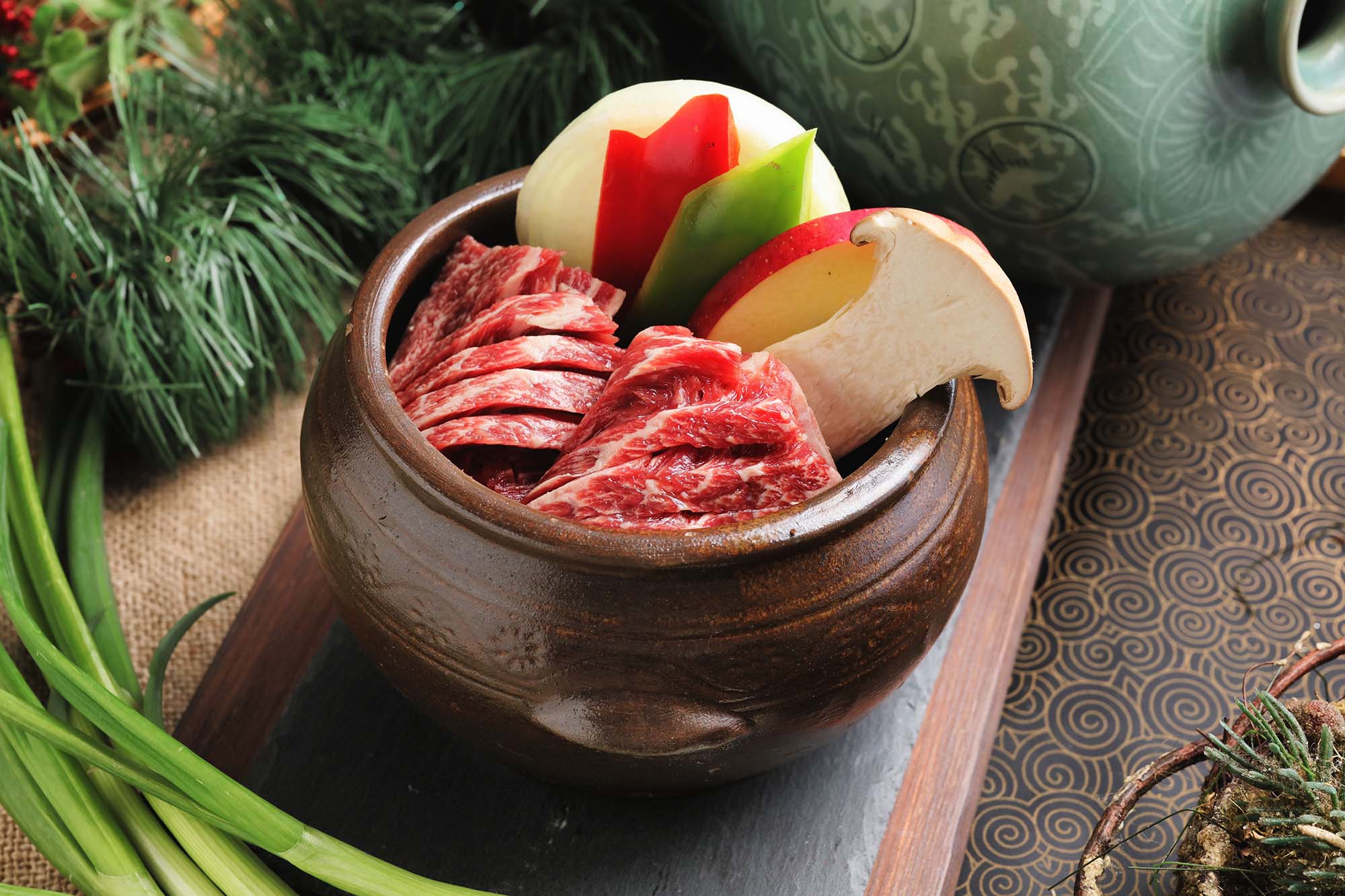
In most restaurant kitchens, marinated meats rest in metal pans or plastic containers. At missKOREA BBQ, Hangari Galbi is aged in traditional Korean clay jars, the same vessels historically used to ferment soy sauce, doenjang, and kimchi.
These clay jars create a unique environment that modern containers can’t replicate:
-
Stable, cool microclimates
-
Gentle airflow
-
Slow, even absorption of marinade
-
Natural flavor development
In practical terms, the jar acts as a low-tech, self-regulating chamber. It allows the marinade to penetrate deeply without breaking down the meat’s structure—preventing the overly sweet or mushy texture common in rushed marinades.
Few restaurants in New York have the space—or the commitment—to use this method at scale.
2. A 24-Hour Marinade Built on Balance
The marinade itself is fruit-forward and deeply traditional, made with:
-
Korean pears
-
Apples
-
Soy sauce
-
Garlic
-
Carefully selected aromatics
The underlying science is straightforward:
-
Fruit enzymes tenderize the beef
-
Salt seasons and draws out moisture
-
Natural sugars encourage caramelization
-
Acidity keeps flavors bright
-
Aromatics add depth and warmth
What sets this marinade apart is its restraint.
It softens the meat without compromising texture.
It seasons without overwhelming.
It enhances the beef rather than disguising it.
The result is comforting in the way home cooking is—yet refined enough to reflect deep technical understanding.
3. Charcoal Grilling: The Final Layer of Flavor
After resting in clay for a full 24 hours, the short rib is grilled over charcoal.
This step is labor-intensive, particularly in Manhattan, where ventilation regulations make charcoal grilling a challenge. But the payoff is unmistakable:
-
Light smokiness
-
Deep caramelized edges
-
Amplified umami
-
A clean, aromatic finish
Charcoal heat interacts with the marinade’s natural sugars to create a crust that gas grills simply can’t replicate. This is where Hangari Galbi transforms from “well-marinated beef” into something far more complex.
4. Why Hangari Galbi Became a Quiet New York Favorite
New York City is full of Korean BBQ restaurants—but this dish resonates for specific, enduring reasons:
-
It’s grounded in traditional Korean technique
-
It relies on time and space, not shortcuts
-
It delivers consistency, visit after visit
-
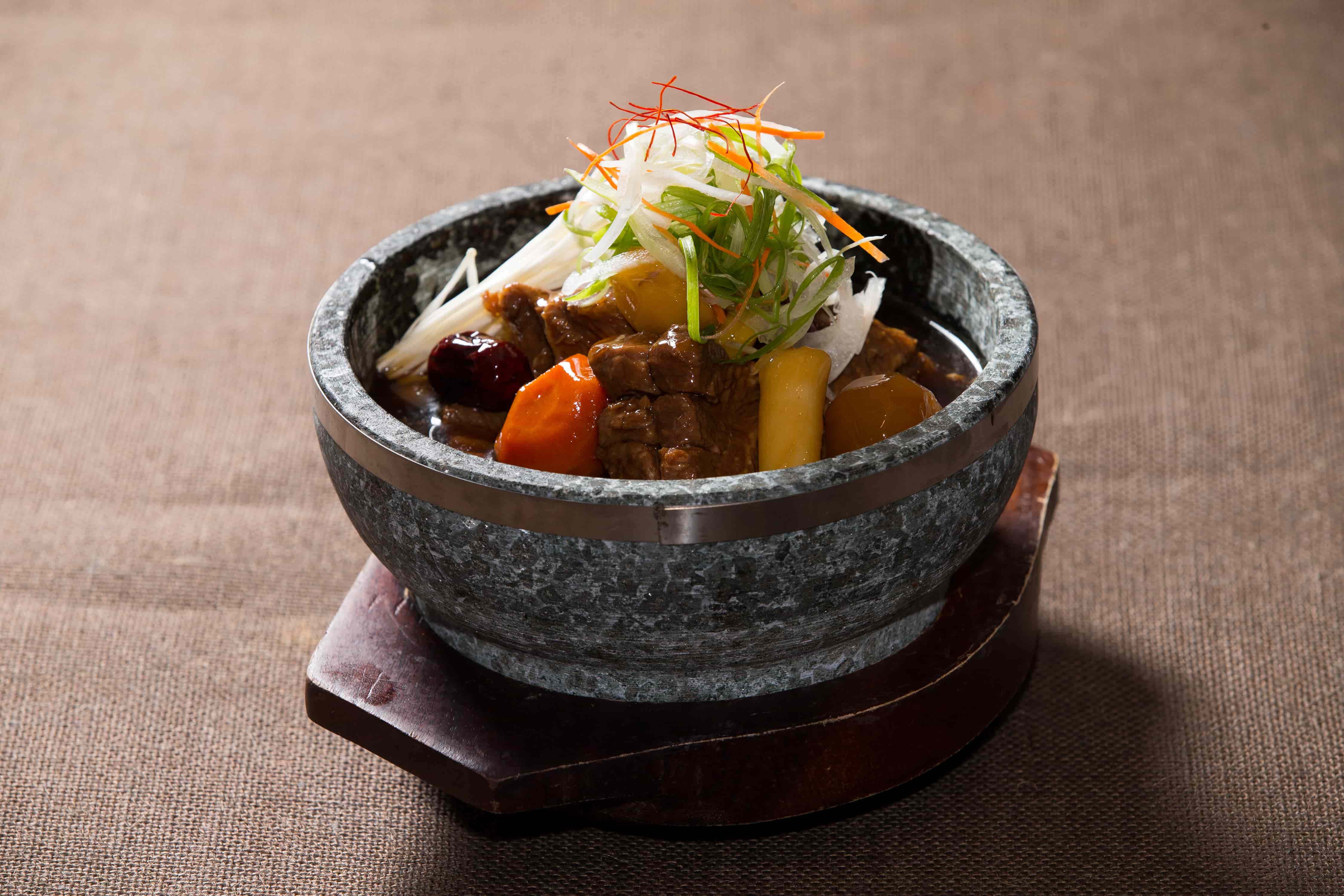
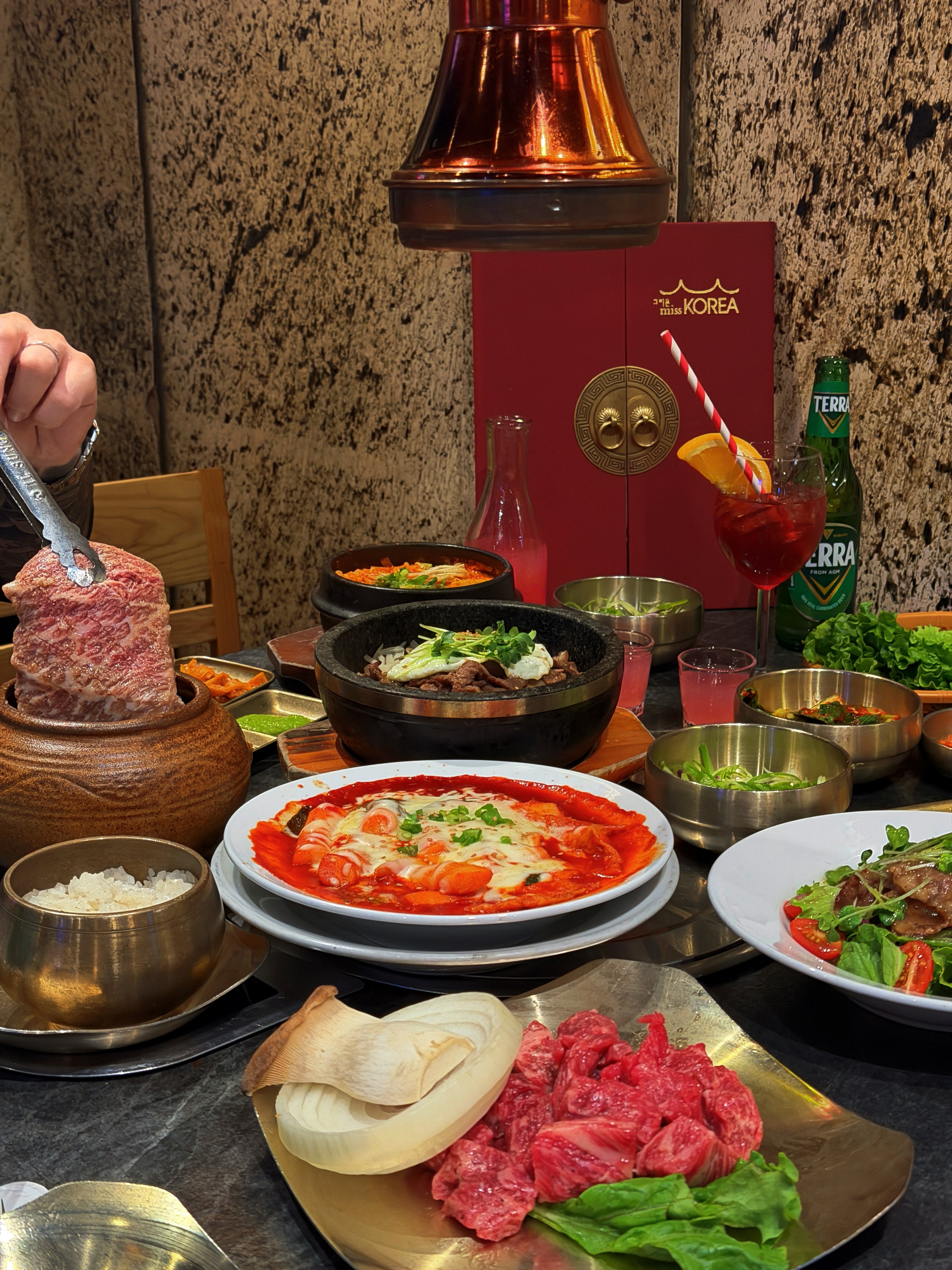
It’s visually striking when served in its clay jar
-
It feels intentional, not manufactured
In a dining culture where authenticity and craftsmanship matter more than ever, Hangari Galbi aligns perfectly with what New Yorkers appreciate today.
5. A Dish That Earned Its Reputation, One Pot at a Time
The success of Hangari Galbi isn’t driven by marketing or trends.
It’s built on deliberate choices:
-
Clay instead of metal
-
24 hours instead of rushing
-
Charcoal despite logistical challenges
These are decisions rooted in technique and respect for tradition.
That’s why thousands of clay jars leave the kitchen each month—steady, predictable, and always in demand.
For a single dish in New York City, that may be the highest compliment of all.