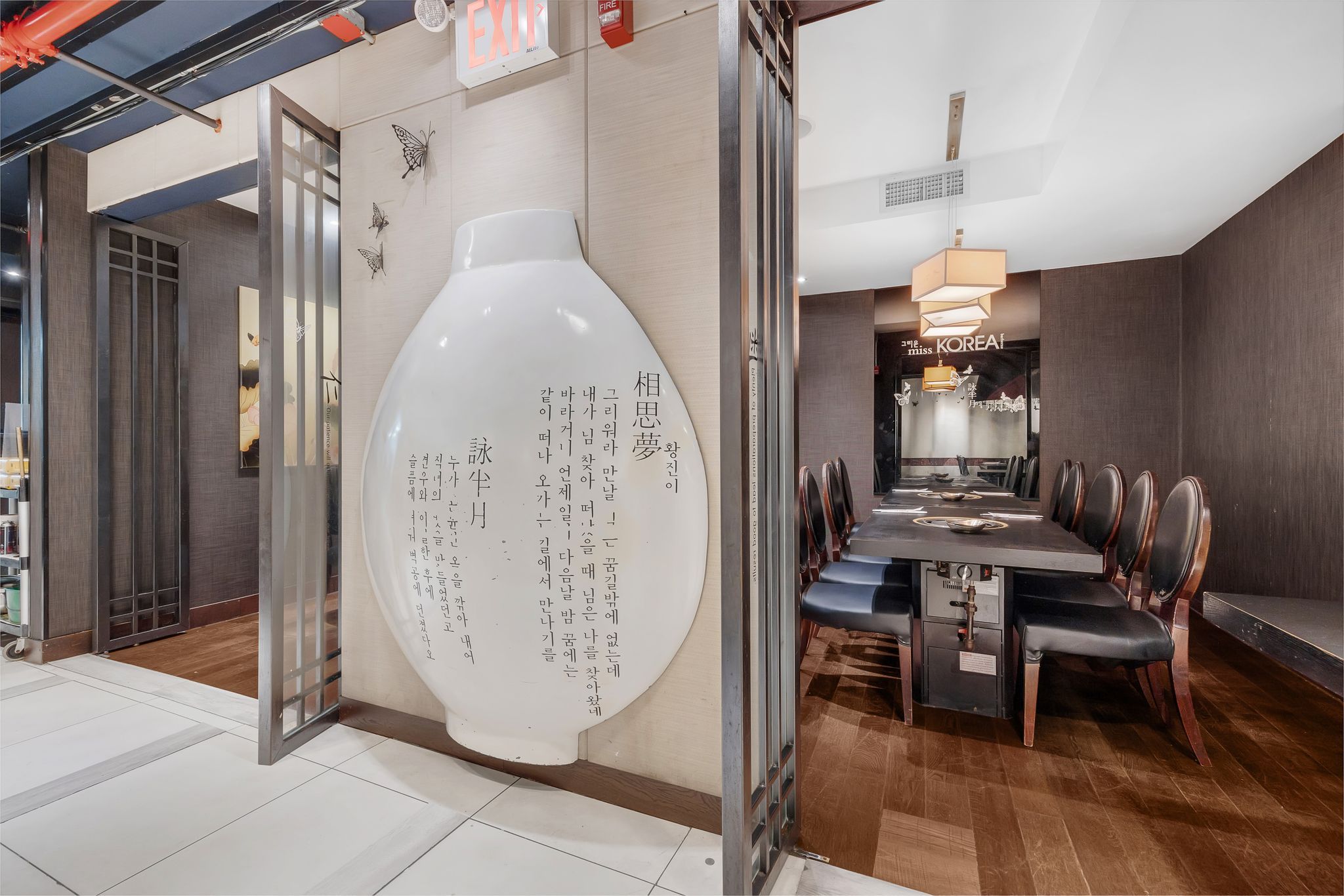
The Table
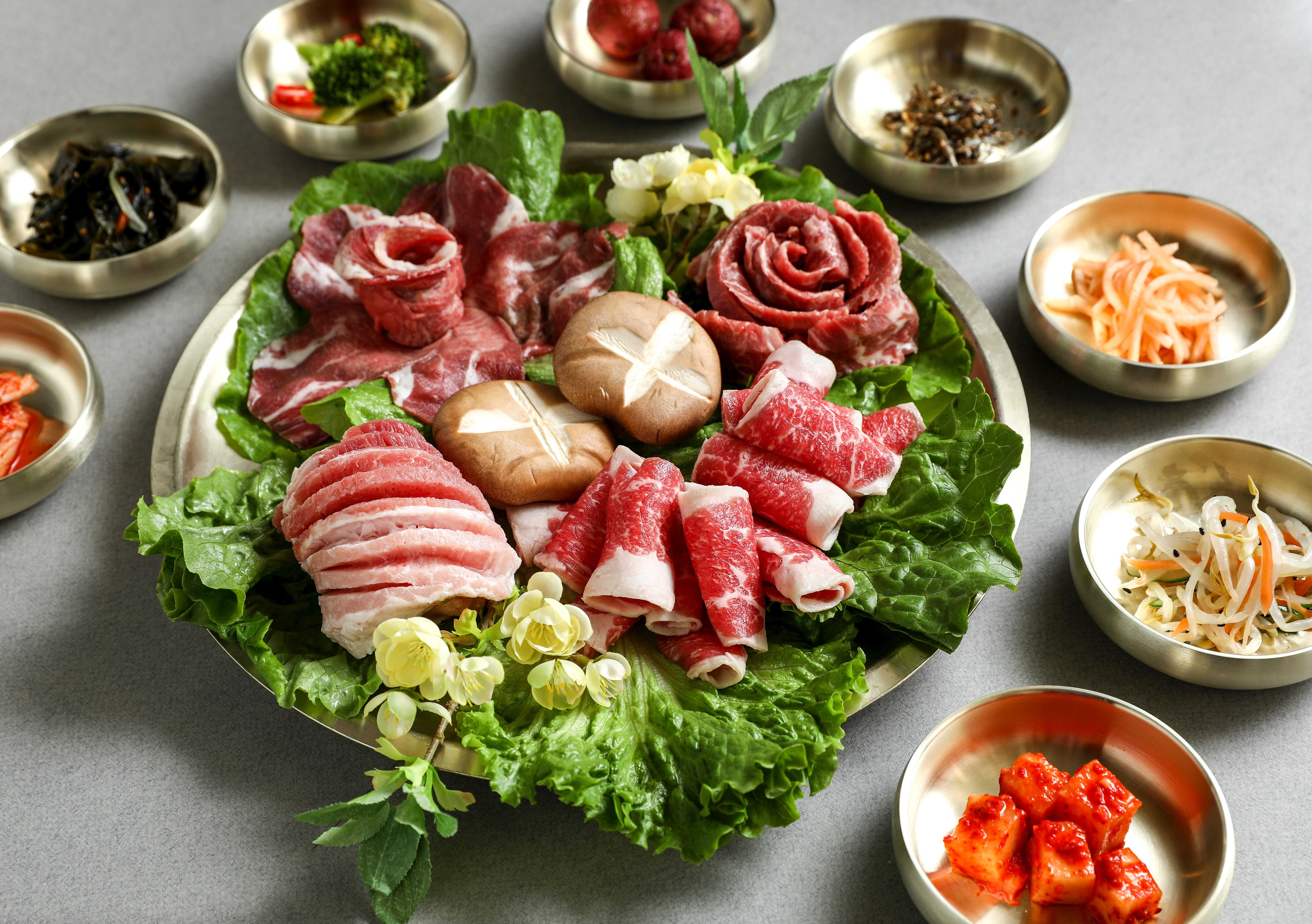
The Art of Banchan: The Philosophy Behind Korean Dining
At missKOREA BBQ, banchan is more than a side dish—it’s a philosophy, a ritual, and a gateway into Korean dining culture.
Read More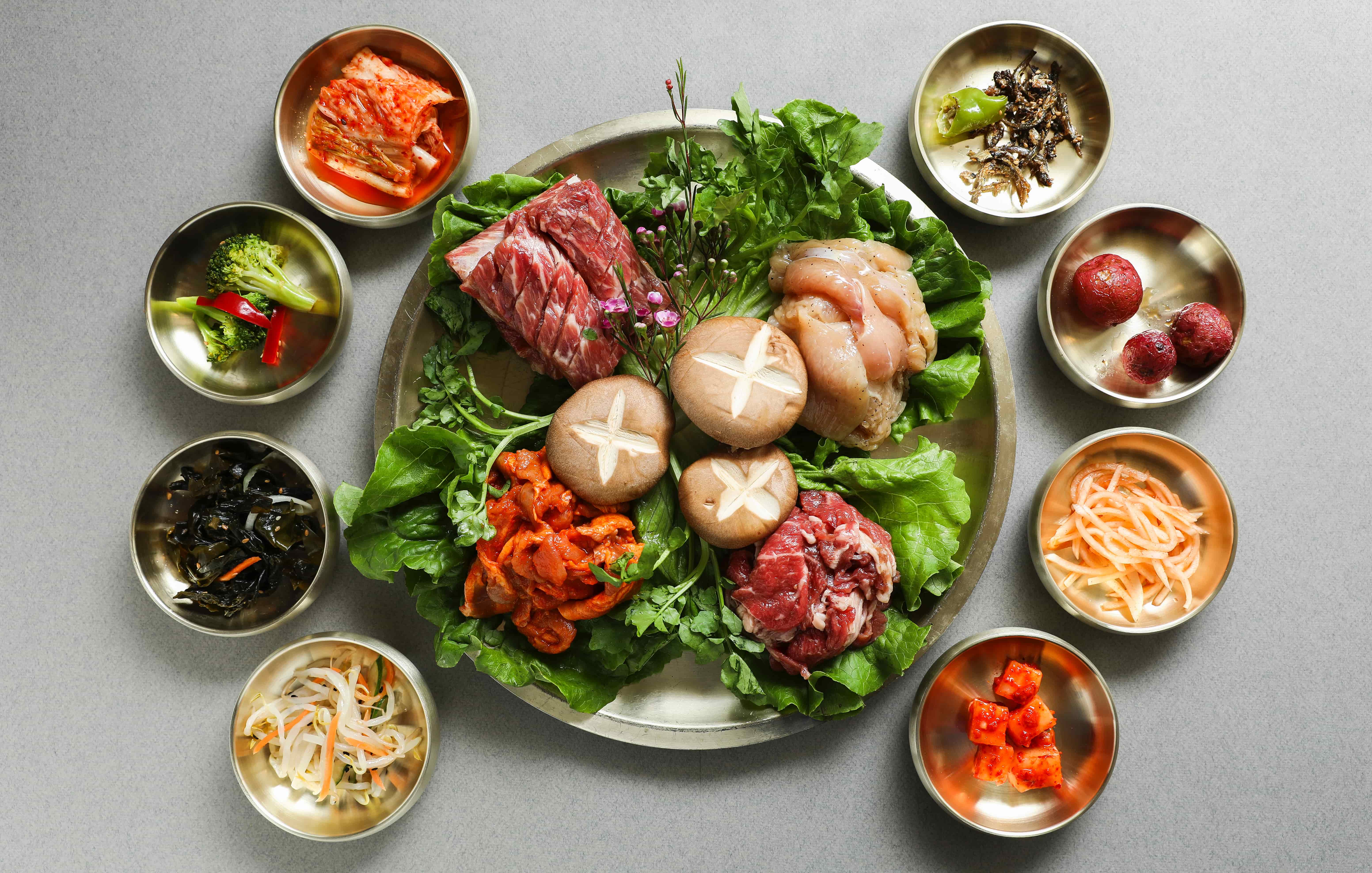
BBQ
LA Galbi vs. Bulgogi: What’s the Difference?
At first glance, LA Galbi and Bulgogi seem interchangeable. Both are marinated. Both are grilled. Both are familiar.
Read More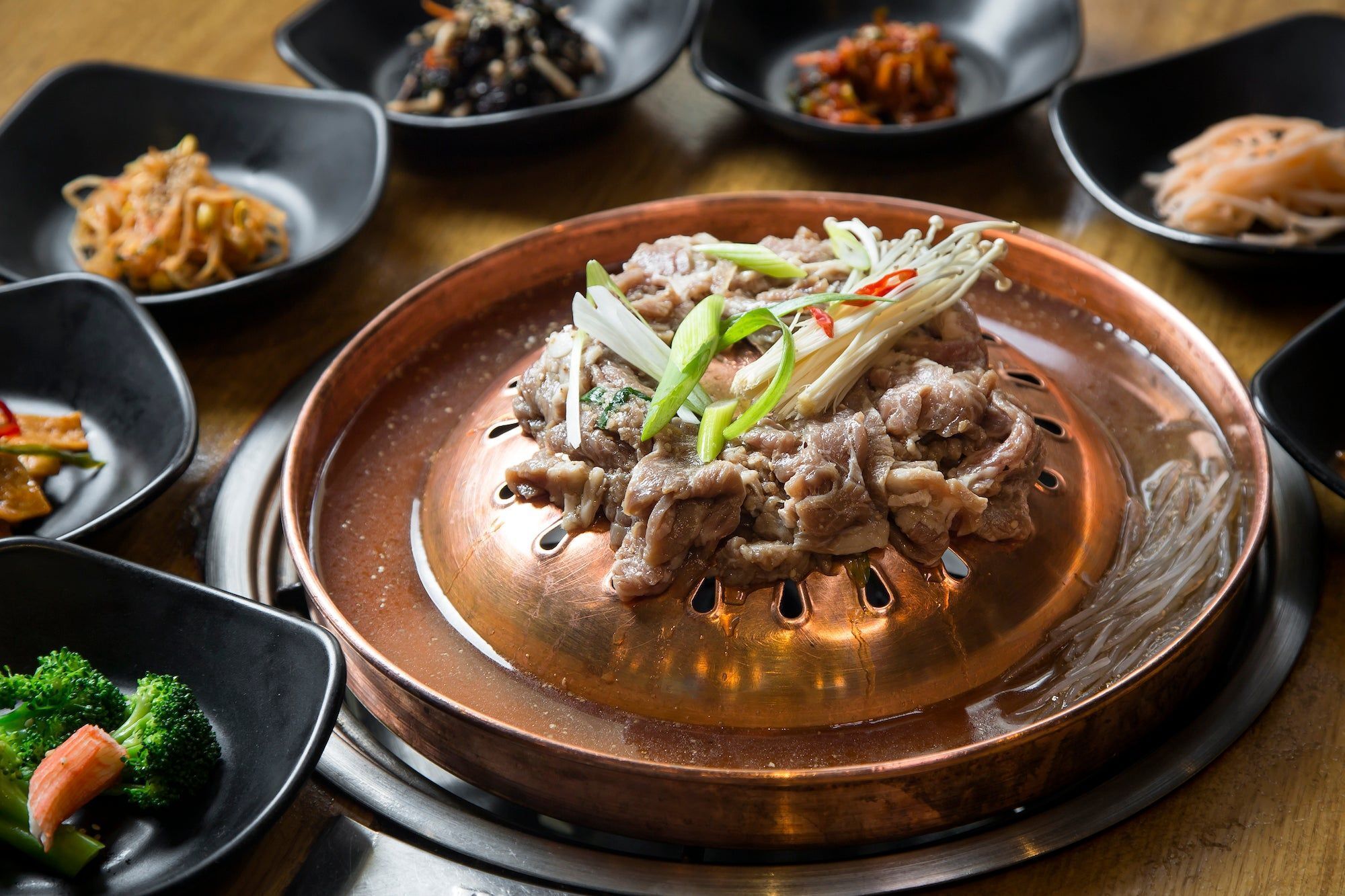
BBQ
How Korean BBQ Became Part of America’s Dining Mainstream
How Korean BBQ Became Part of America’s Dining Mainstream
Read More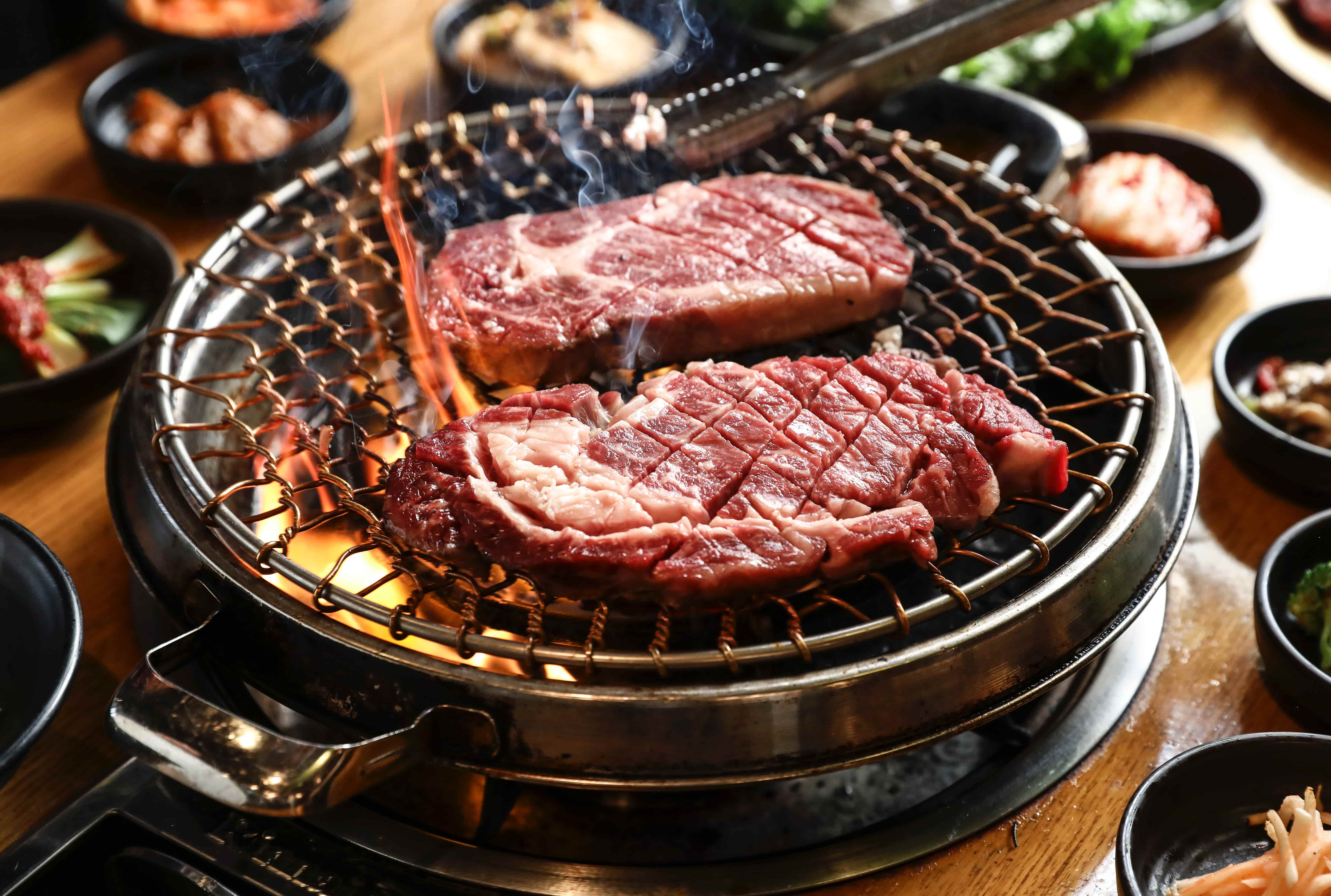
BBQ
Hangari Galbi: The Technique, Tradition, and Craft
In a city filled with endless dining options, certain dishes stand out not because they’re trendy, but because they’re built on technique.
Read More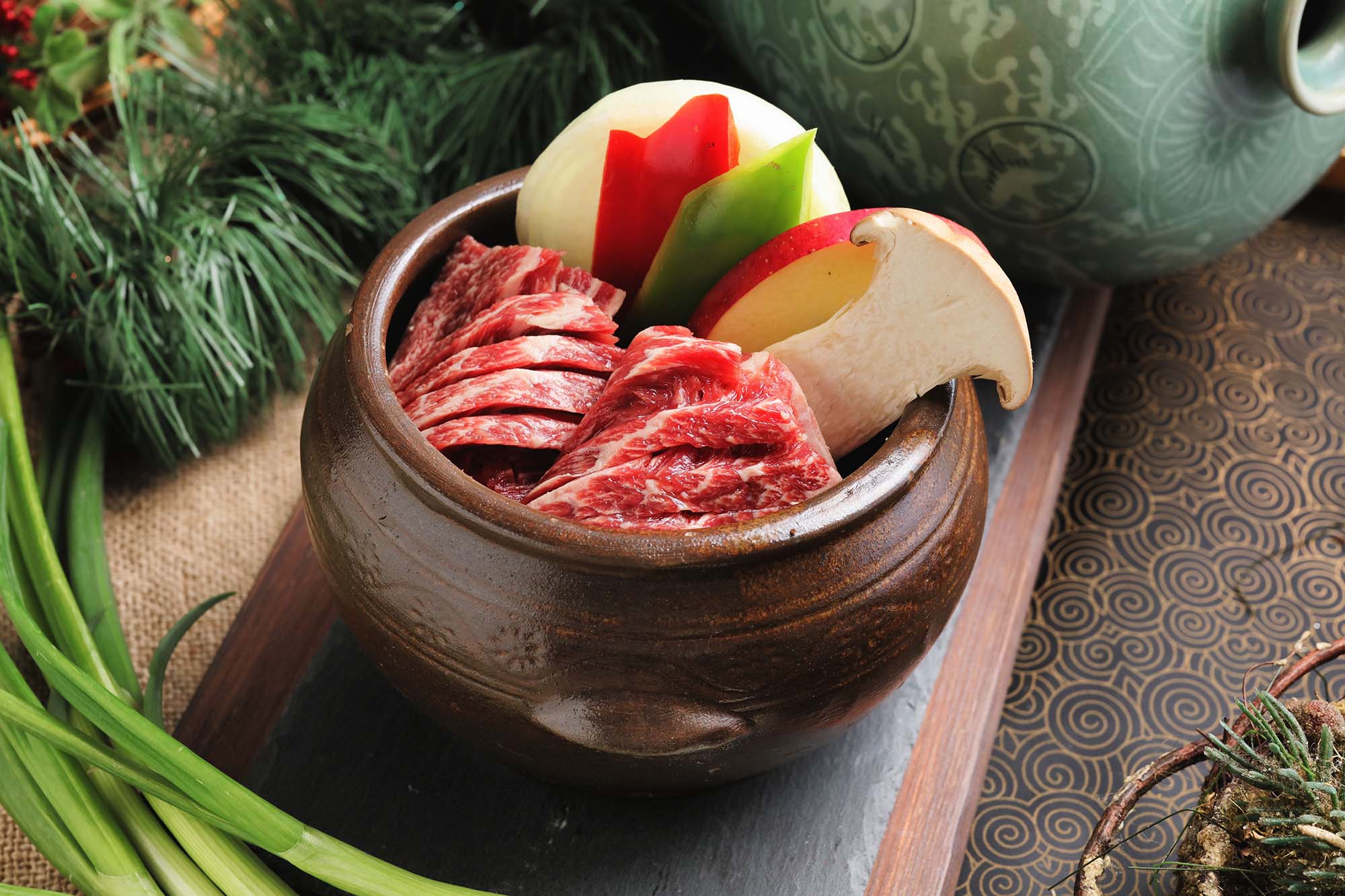
The Table
Why 4,000 Fresh Banchan Are Prepared Daily in the Heart of New York
Why 4,000 Fresh Banchan Are Prepared Daily in the Heart of New York
Read More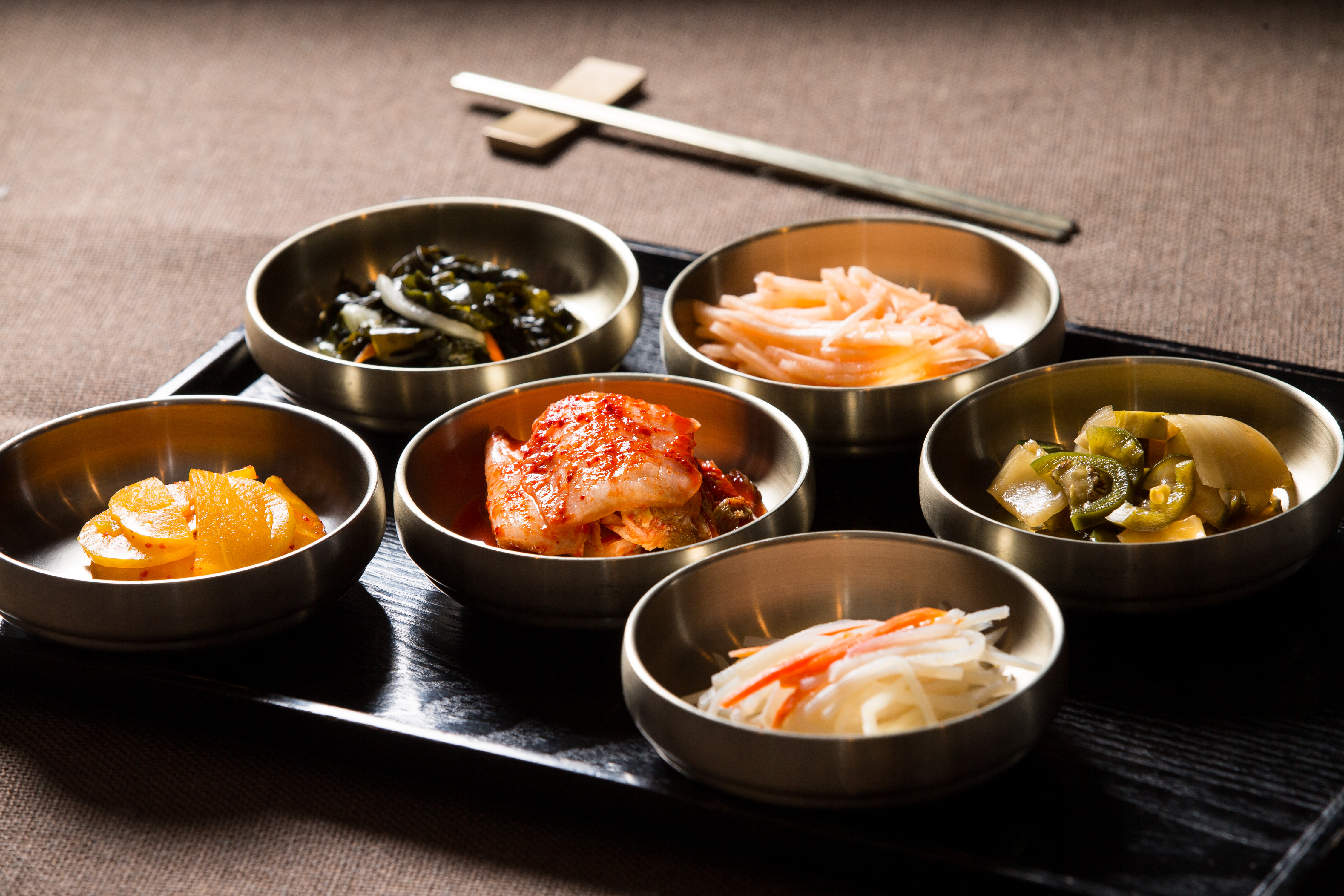
CULTURE
Corporate Dining in NYC Is Changing — And missKOREA BBQ Is at the Center
Boardrooms are no longer confined to conference tables.
Read More